ShopDreamUp AI ArtDreamUp

Deviation Actions
Daily Deviation
Daily Deviation
August 13, 2009
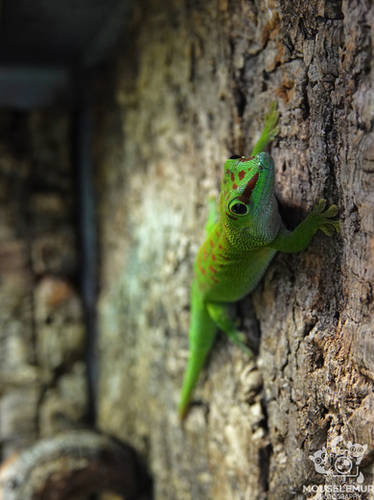
Spotted Poser by *GeodeLady
A great shot with some excellent focus makes this look very 3D, the color is simply stunning stunning, and the fine detail speaks for itself
Featured by kkart
Suggested by SheTakesPics


Suggested Deviants


Suggested Collections


You Might Like…



Description
A lizard from our Sedona hike......the background is that rich Sedona red.....love that place!!
I tried to find out what kind to no avail. Which disappointed me as I really like learning about the creatures I find.
---------------------------------------------------------------------------
Edit 7-6-09
~DieselFuel found out what my lizard is
 After reading the description it reminded how these guys run....they run with their tail curled over their backs like a giant scorpion it was awesome but, creepy looking.
Without further ado it is a GREATER EARLESS LIZARD (Cophosaurus texanus)
DESCRIPTION: A medium-sized (up to 89 mm or 3.5" from snout to vent), gray or tan lizard with long, slender limbs and a flattened tail. The underside of the tail is marked with distinct black crossbands on a bright white background. The upper surfaces of the body are marked with tan, yellow, or peach spots surrounded by off-white or cream speckles. The groin, lower back, and forelimbs are often tinted yellow on males. The back of the thigh is marked with a dark horizontal line. There are two dark bars on each side of the belly that extend up onto the sides just in front of the hind limbs. On males these bars are surrounded by light blue patches on the belly. On females bars are faint or lacking. During breeding season females develop a pink throat patch and a peach or orange tint on the sides and flanks. The body scales are small and granular. As its common name implies, this lizard lacks external ear openings. This characteristic, coupled with the posterior position of its side bars distinguish the Greater Earless Lizard from the similar looking Zebra-tailed Lizard.
DISTRIBUTION: This lizard is found across sub-Mogollon Rim central Arizona and throughout much of the southeastern portion of the state at elevations ranging from about 900’ to 5,000'.
HABITAT: The Greater Earless Lizard inhabits Arizona Upland Sonoran Desertscrub, Semidesert Grassland, Interior Chaparral, and Great Basin Conifer Woodland communities. It is usually encountered above the flats on relatively open, gravelly slopes and along sandy drainages within mountainous terrain.
BEHAVIOR: This diurnal lizard is often encountered basking in the mid-morning sun. It hibernates during the cold months of winter and late fall. When approached by a predator it often curls and wags its tail over the back exposing the black and white stripes. This may be to let the predator know that it has been spotted by the lizard. If the predator knows it has been spotted it might not invest the energy required to chase this speedy lizard. When fleeing this lizard often runs with its tail curled over the back. This may serve to divert the predator’s attention to the tail (which can be regenerated). Both males and females are territorial and exhibit head bobbing, push-ups, and lateral compression of the body when approached by an outsider.
--------------------------------------------------------------------
Other pics from my Sedona trip;


I tried to find out what kind to no avail. Which disappointed me as I really like learning about the creatures I find.
---------------------------------------------------------------------------
Edit 7-6-09
~DieselFuel found out what my lizard is
After reading the description it reminded how these guys run....they run with their tail curled over their backs like a giant scorpion it was awesome but, creepy looking.Without further ado it is a GREATER EARLESS LIZARD (Cophosaurus texanus)
DESCRIPTION: A medium-sized (up to 89 mm or 3.5" from snout to vent), gray or tan lizard with long, slender limbs and a flattened tail. The underside of the tail is marked with distinct black crossbands on a bright white background. The upper surfaces of the body are marked with tan, yellow, or peach spots surrounded by off-white or cream speckles. The groin, lower back, and forelimbs are often tinted yellow on males. The back of the thigh is marked with a dark horizontal line. There are two dark bars on each side of the belly that extend up onto the sides just in front of the hind limbs. On males these bars are surrounded by light blue patches on the belly. On females bars are faint or lacking. During breeding season females develop a pink throat patch and a peach or orange tint on the sides and flanks. The body scales are small and granular. As its common name implies, this lizard lacks external ear openings. This characteristic, coupled with the posterior position of its side bars distinguish the Greater Earless Lizard from the similar looking Zebra-tailed Lizard.
DISTRIBUTION: This lizard is found across sub-Mogollon Rim central Arizona and throughout much of the southeastern portion of the state at elevations ranging from about 900’ to 5,000'.
HABITAT: The Greater Earless Lizard inhabits Arizona Upland Sonoran Desertscrub, Semidesert Grassland, Interior Chaparral, and Great Basin Conifer Woodland communities. It is usually encountered above the flats on relatively open, gravelly slopes and along sandy drainages within mountainous terrain.
BEHAVIOR: This diurnal lizard is often encountered basking in the mid-morning sun. It hibernates during the cold months of winter and late fall. When approached by a predator it often curls and wags its tail over the back exposing the black and white stripes. This may be to let the predator know that it has been spotted by the lizard. If the predator knows it has been spotted it might not invest the energy required to chase this speedy lizard. When fleeing this lizard often runs with its tail curled over the back. This may serve to divert the predator’s attention to the tail (which can be regenerated). Both males and females are territorial and exhibit head bobbing, push-ups, and lateral compression of the body when approached by an outsider.
--------------------------------------------------------------------
Other pics from my Sedona trip;
Image size
3888x2592px 5.14 MB
Make
Canon
Model
Canon EOS DIGITAL REBEL XTi
Shutter Speed
1/1250 second
Aperture
F/5.6
Focal Length
300 mm
ISO Speed
100
Date Taken
Jun 14, 2009, 1:40:53 PM
© 2009 - 2024 GeodeLady
Comments142
Join the community to add your comment. Already a deviant? Log In

awesome ! and I like the colors